
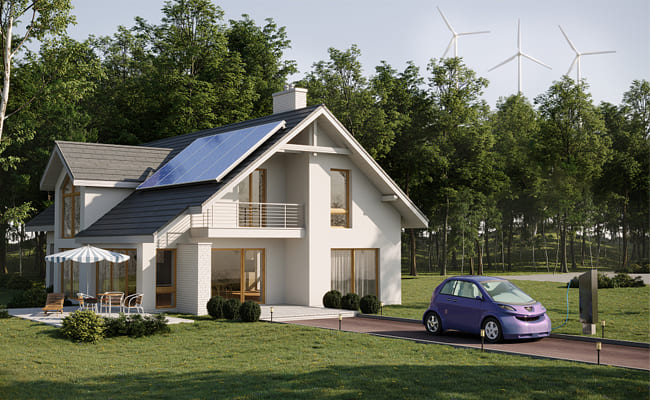
As the global energy transition accelerates, distributed energy systems are becoming a key part of the next-generation power infrastructure. The integration of energy storage systems and microgrids is now reshaping the way we produce, store, and consume electricity—offering greater flexibility, security, and efficiency.
Distributed Solar: The Backbone of Localized Clean Power
Unlike traditional centralized grids, distributed energy focuses on localized generation and consumption. Among all technologies, distributed solar has become the fastest-growing segment, with installations booming across residential rooftops, commercial buildings, and industrial zones.
In China alone, distributed solar added over 19.44 GW in 2017, a 370% increase year over year. Meanwhile, distributed wind power is emerging as a strong complement—especially in urban and off-grid regions where flexibility and decentralization matter most.
Smarter Energy Use: Why Efficiency Is the Real Game Changer
Centralized power plants often waste up to two-thirds of their energy due to heat losses and transmission inefficiencies. In contrast, distributed systems—especially when combined with cogeneration (power + heating/cooling)—can reach energy utilization rates as high as 80–90%.
By producing energy closer to where it’s consumed, distributed models also help absorb excess solar and wind output, reducing grid strain and minimizing curtailment.
Energy Storage Systems: Making Intermittent Power Predictable
Energy storage is the missing puzzle piece in the renewable energy mix. It stabilizes power output, balances load fluctuations, and ensures electricity is available exactly when it’s needed.
Take distributed solar as an example. With battery storage, users can store excess energy during the day and use it at night or during peak demand hours. This not only increases energy independence but also creates financial benefits by shifting loads and participating in time-of-use pricing.
Microgrids: Localized, Resilient, and Smart
A microgrid is a self-contained energy system that can operate both independently and connected to the main grid. It typically includes distributed generation, storage, smart controls, and automated management systems.
Microgrids are ideal for remote areas, industrial parks, and communities looking for higher energy resilience. In emergency situations—such as natural disasters or power outages—they can continue to operate independently and provide backup power to critical loads.
Challenges Remain: Policy, Cost, and Market Maturity
While the potential of distributed energy is massive, it still faces real-world hurdles. Upfront investment in solar panels, wind turbines, and storage systems remains high. Without consistent policy support, subsidies, or favorable tariff models, many businesses hesitate to commit.
What’s needed is a holistic push—from government, technology providers, and market players—to create a healthy ecosystem where distributed energy, storage, and microgrids can thrive.