
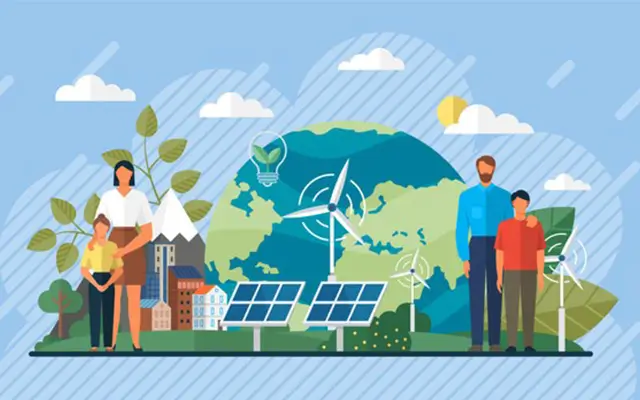
Strategies for achieving power autonomy in industrial, telecommunications, and research facilities.
Achieving energy independence through off-grid systems not only ensures continuous uptime but also significantly reduces long-term operational costs and carbon footprints. Here are eight proven strategies to achieve total energy autonomy for remote operations.
1. Conduct a Comprehensive Load Profile Analysis
Before investing in hardware, you must understand your consumption patterns. Energy independence starts with data.
- Identify Peak Demands: Map out when your equipment draws the most power.
- Distinguish Critical Loads: Separate essential life-support or data systems from non-essential lighting or climate control.
- Future-Proofing: Account for potential expansion of equipment over the next 3–5 years.
2. Implement a Diversified Hybrid Energy Mix
Relying on a single energy source is a risk in remote environments. A hybrid approach combines the strengths of different technologies:
- Solar PV: Ideal for consistent daytime generation.
- Wind Turbines: Excellent for coastal, mountainous, or high-latitude regions where sun exposure may be seasonal.
- Redundancy: When the sun sets and the wind drops, having a secondary source ensures the system never hits a “dead zone.”
3. Leverage High-Capacity Energy Storage (BESS)
Energy independence is impossible without a robust Battery Energy Storage System (BESS).
- Lithium-Iron Phosphate (LiFePO4): These are currently the gold standard for off-grid operations due to their long cycle life and safety in varying temperatures.
- Load Shifting: Store excess energy generated during peak production hours to power the facility during the night or during low-resource periods.
4. Optimize with Intelligent Energy Management Systems (EMS)
A “smart” off-grid site is an efficient one. An Energy Management System acts as the brain of your operation:
- Automated Switching: The EMS can automatically switch between solar, wind, and battery power based on real-time availability.
- Remote Monitoring: Monitor system health and performance from anywhere via satellite or cellular links, reducing the need for on-site technicians.
5. Prioritize Energy Efficiency and Passive Design
The less energy you need, the easier it is to be independent.
- High-Efficiency Hardware: Use industrial-grade, low-consumption motors and LED lighting.
- Thermal Management: In cold climates, use high-performance insulation; in hot climates, use passive cooling to reduce the energy drain of HVAC systems.
6. Establish Reliable Backup Protocols
Total independence includes preparing for the “worst-case scenario.”
- Backup Generators: Even the most advanced renewable systems should have a backup generator (diesel or propane) for prolonged periods of low resource availability.
- Automated Failover: Ensure the transition to backup power is seamless to prevent data loss or hardware damage.
7. Design for Modular Scalability
Remote operations often grow over time. Your energy system should be modular.
- Plug-and-Play Components: Choose inverters and battery racks that allow you to add capacity without redesigning the entire electrical architecture.
- Modular Arrays: Start with what you need today, but ensure the physical space and wiring can accommodate more panels or turbines later.
8. Commit to Proactive Maintenance
In a remote setting, a small component failure can lead to a total shutdown.
- Scheduled Inspections: Regularly check solar arrays for debris, wind turbine bearings for wear, and battery terminals for corrosion.
- Self-Diagnostic Tools: Utilize hardware that provides early warning alerts before a failure occurs.