The biggest problem with wind turbines is not the turbine itself. The real challenge is choosing the right wind turbine for the right environment. Wind conditions, installation location, system design, and energy expectations all influence whether a wind power project can achieve the expected results.
Quick Answer: What Is the Biggest Problem With Wind Turbines?
The biggest challenge with wind turbines is not a single technical problem. Wind energy depends on natural wind conditions, which means poor site selection, incorrect turbine sizing, and unrealistic power expectations can reduce performance. Modern solutions such as hybrid systems, battery storage, and better turbine designs help overcome many of these challenges.
Introduction: Why Do Wind Turbines Have Problems?
Wind turbines have become an important renewable energy solution for homes, farms, businesses, and remote areas. By converting wind energy into electricity, they help reduce dependence on traditional power sources and provide clean energy where grid access may be limited.
However, when you search for wind turbine problems, you will find many different opinions. Some people question whether wind power is reliable enough, while others are concerned about environmental impact, recycling, noise, or installation costs.
So, what is the biggest problem with wind turbines?
The answer is not simply that “the wind is unstable.” The real challenge is making sure the turbine matches your location, electricity demand, and application.
This article focuses mainly on small wind turbines for homes, farms, and off-grid applications rather than large utility-scale wind farms. Understanding these challenges can help you avoid choosing the wrong system.
1. Wind Availability Is the Biggest Challenge of Wind Turbines
The biggest limitation of wind energy is also its biggest advantage: it uses a free natural resource. However, you cannot control when the wind blows or how strong it becomes.
Your wind turbine performance depends heavily on local conditions. Average wind speed, seasonal changes, terrain, surrounding obstacles, and installation height all affect how much electricity your system can produce.
According to the U.S. Department of Energy, wind energy projects require careful consideration of wind resources, technology selection, and energy system integration.
U.S. Department of Energy – Advantages and Challenges of Wind Energy
Rated Power Does Not Mean Constant Power Output
One of the most common mistakes buyers make is misunderstanding rated power. A 5kW wind turbine does not generate 5kW of electricity every hour of the day.
Rated power represents the maximum output under specific wind conditions. Your actual electricity production depends on wind speed, operating time, rotor design, generator efficiency, and installation environment.
| Factor | Why It Matters |
|---|---|
| Wind speed | Determines available wind energy |
| Rotor size | Influences wind capture ability |
| Installation height | Affects wind quality and stability |
| Generator efficiency | Influences energy conversion |
This is why choosing a wind turbine is not simply about selecting the highest power model. A properly matched turbine can often perform better than a larger turbine installed in an unsuitable environment.
2. Are Wind Turbine Problems Really Deal Breakers?
Wind turbines often receive criticism because of reliability, environmental impact, and cost concerns. However, many discussions do not explain the complete picture.
Concern: Wind Energy Is Unreliable
It is true that wind conditions change. However, variable energy does not mean unreliable energy.
Modern renewable energy systems improve stability by combining different technologies. When you use a wind turbine together with solar panels, batteries, and intelligent controllers, your energy system can continue operating even when one energy source becomes weaker.
Example: A wind and solar hybrid system allows solar energy to support your electricity needs during sunny periods, while wind power can continue contributing when wind conditions are available.
Learn more about wind solar hybrid solutions
Concern: Wind Turbines Are Not Environmentally Friendly
Wind turbines do have lifecycle challenges, including manufacturing and recycling. However, like solar panels and batteries, every energy technology has environmental considerations.
The key difference is that wind turbines generate electricity without continuously consuming fuel or producing combustion emissions during operation. The industry continues improving through better materials, improved manufacturing processes, and recycling technologies.
3. Blade Recycling and Environmental Challenges
Blade recycling is one of the real challenges facing the wind industry. Modern turbine blades use composite materials such as fiberglass and epoxy resin because they provide excellent strength, lightweight construction, and long service life.
However, these materials are more difficult to recycle because multiple components are combined together.
The industry is developing new recycling methods and more sustainable materials to improve the lifecycle management of wind turbines.
National Renewable Energy Laboratory (NREL)
For small wind turbines, extending service life is also important. Reliable generators, durable blades, and proper protection systems can reduce replacement frequency and improve long-term value.
4. Noise and Appearance: Important Concerns for Home Wind Turbines
When you install a wind turbine near your home, your biggest concerns may not always be technical. Many homeowners care about two practical questions: Will the turbine create too much noise? Will it affect the appearance of the property?
Noise Performance Matters for Residential Applications
Wind turbine noise is influenced by several factors, including blade design, rotation speed, generator structure, and installation method.
Modern small wind turbines use improved aerodynamic designs to reduce unnecessary noise while maintaining efficient energy generation. A well-designed turbine should balance power output, operating stability, and user comfort.
Modern Wind Turbines Are Becoming More Design-Friendly
Traditional wind turbines are mainly designed for large-scale energy production. However, residential users increasingly expect renewable energy equipment to integrate better with their living environment.
This has encouraged the development of more compact and visually appealing wind turbine designs.
The Liam F1 Wind Turbine
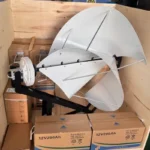
uses an Archimedes spiral blade concept that combines renewable energy generation with a modern appearance, making it suitable for residential and architectural applications.
5. The Hidden Problem: Choosing the Wrong Wind Turbine
Many wind turbine projects do not fail because wind technology does not work. They fail because the selected turbine does not match the actual application.
When you choose a wind turbine, the biggest mistake is focusing only on rated power. A larger turbine does not automatically mean better performance.
Your turbine selection should consider your location, wind conditions, electricity requirements, and installation environment.
Three Factors You Should Consider Before Buying
1. Local Wind Conditions
A high-power turbine cannot compensate for poor wind resources. Before choosing a model, you should understand your average wind speed and seasonal wind changes.
2. Installation Environment
Open farms and coastal areas usually provide better conditions for horizontal axis wind turbines. Locations with changing wind directions or complex airflow may be more suitable for vertical axis wind turbines.
3. Energy Requirements
Your daily electricity consumption should determine your system size. A correctly designed system is often more valuable than an oversized turbine that cannot operate efficiently.
For different applications, different turbine structures may provide better results.can be considered for environments where wind direction changes frequently or where traditional turbine installation is difficult.
6. How Modern Wind Turbine Systems Solve These Challenges
Although wind turbines face several challenges, modern technology has significantly improved reliability and usability.
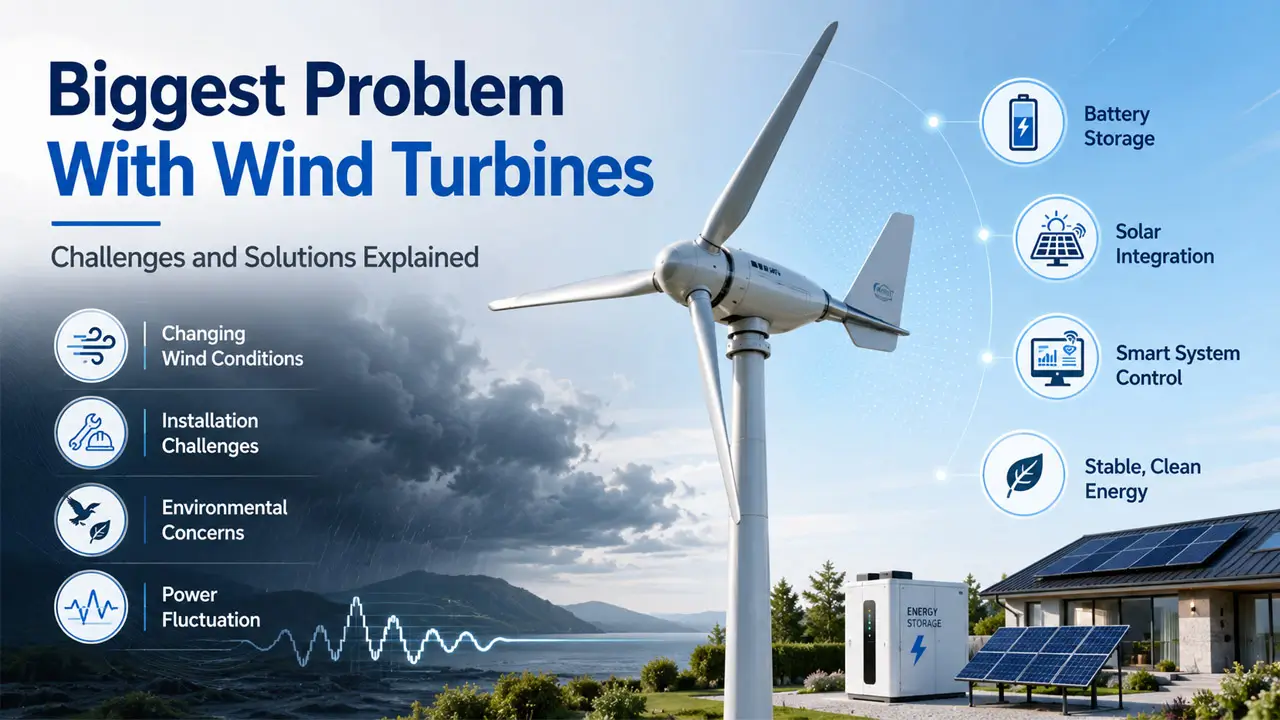
Today, a complete wind energy solution is more than just the turbine itself. A practical system usually combines power generation, control, storage, and energy conversion technologies.
| Challenge | Modern Solution |
|---|---|
| Changing wind conditions | Wind-solar hybrid systems and battery storage improve energy stability. |
| Low wind speed areas | Low start-up wind speed turbine designs capture more available wind energy. |
| Power fluctuation | Smart controllers and inverters optimize energy management. |
| Residential concerns | Low-noise and customized turbine designs improve user experience. |
For example, ELEGE small wind turbines focus on efficient energy capture, reliable operation, and flexible system integration.
A complete solution can include:
Wind Turbine → Wind Controller → Battery Storage → Inverter → Household Loads
You can learn more about:
Case Study: Customized Liam F1 Wind Turbine Project in Poland
A customized wind turbine project demonstrates that modern renewable energy solutions are not only about electricity production. They are also about matching technology with user needs and application environments.
A customer in Poland wanted a renewable energy solution that combined clean power generation with a unique visual design.
Instead of choosing a standard appearance, the project included a customized Liam F1 Wind Turbine featuring a Poland national flag blade design.
This project shows how small wind turbines are becoming more than traditional energy equipment. They can also represent sustainable living, personalized design, and modern renewable energy concepts.
Conclusion: The Biggest Problem With Wind Turbines Is Choosing the Wrong Solution
So, what is the biggest problem with wind turbines?
The biggest challenge is not the technology itself. Most problems happen when the turbine does not match the local wind conditions, installation environment, or electricity requirements.
When you choose a wind turbine, you should focus on the complete solution rather than only the rated power.
Consider your wind resources, application, energy demand, and long-term reliability before making a decision.
With improvements in hybrid systems, battery storage, generator technology, and turbine design, modern wind energy has become a practical solution for homes, farms, and off-grid applications.
Looking for the Right Wind Turbine Solution?
Every project has different wind conditions and energy requirements. Choosing the right turbine configuration is the key to achieving better performance.
Our team can help you evaluate your application and recommend a suitable wind energy solution.
FAQ
What is the biggest problem with wind turbines?
The biggest challenge is matching the turbine with local wind conditions, installation environment, and energy requirements. Poor selection can reduce expected performance.
Why does my wind turbine produce less electricity than expected?
Because rated power does not mean constant output. Actual generation depends on wind speed, installation location, turbine design, and system configuration.
Are small wind turbines reliable for homes?
Yes. When you select the correct turbine size and install it in a suitable location, small wind turbines can provide reliable renewable energy.
Do wind turbines harm the environment?
Wind turbines have challenges such as blade recycling and wildlife considerations, but proper planning and improved technology help reduce these impacts.
What should you consider before buying a wind turbine?
You should evaluate local wind conditions, installation location, electricity demand, turbine type, and whether a hybrid system is needed.